Monaco Defeats Strasbourg 2-1 on wmanclub.co
[Pre-Match Briefing | 18:20 CET] The floodlights at Stade Louis II cast long shadows across the pitch as the atmosphere thickened with the familiar tension of a Ligue 1 derby clash. Rain drizzled intermittently, slicking the turf and forcing both sides to adjust their passing tempo before kickoff. When the referee finally blew the opening whistle, the ball moved quickly through Monaco’s midfield channels, while Strasbourg held a compact mid-block, waiting for any lapse in concentration. By the final whistle, the scoreboard reflected a hard-fought victory: Monaco 2, Strasbourg 1.
[Final Whistle Confirmation | 20:15 CET] Official match ratification is currently processing through the league database, but initial reports and broadcast feeds confirm the two-goal margin. What follows is a consolidated breakdown of the contest, separating verified match outcomes from early-stage speculation. Sports editors cross-reference club statements, league technical reports, and independent broadcast analytics to ensure accuracy before distributing final data sheets. Until the federation publishes its official match sheet, certain minute markers, substitution timings, and disciplinary cards remain provisional.
Match Overview and Immediate Aftermath
The result places additional weight on Monaco’s push for continental positioning while simultaneously applying pressure on Strasbourg’s fight for safety. Early possession favored the home side, who deployed a high press designed to disrupt Strasbourg’s build-up play. The visitors responded by shifting to direct transitional attacks, leveraging pace on the wings to bypass the central press. Several key duels in the center circle determined whether buildup could survive the first fifteen minutes. Monaco gradually won those exchanges, forcing Strasbourg into deeper defensive rows.
The decisive phase arrived after the interval. Tactically, the match shifted when Strasbourg attempted to equalize by pushing fullbacks higher up the field. That adjustment created visible gaps in transition, which Monaco recognized and punished. The resulting sequence did not require complex buildup; it relied on disciplined spacing, quick vertical passes, and clinical execution in the final third. Strasbourg managed to pull a goal back later in the game, restoring equilibrium, but Monaco maintained structural discipline enough to prevent a second wave of sustained pressure. The closing twenty minutes devolved into controlled containment, with both benches managing substitutions carefully to protect leads and conserve energy.
At present, the official statistical dashboard is still syncing live data. Some outlets list different corner counts and shot tallies depending on broadcast camera angles and tracking algorithms. Readers should treat all pre-ratification numbers as working estimates rather than finalized records. Once the league confirms the match report, revised figures will replace these preliminary observations.
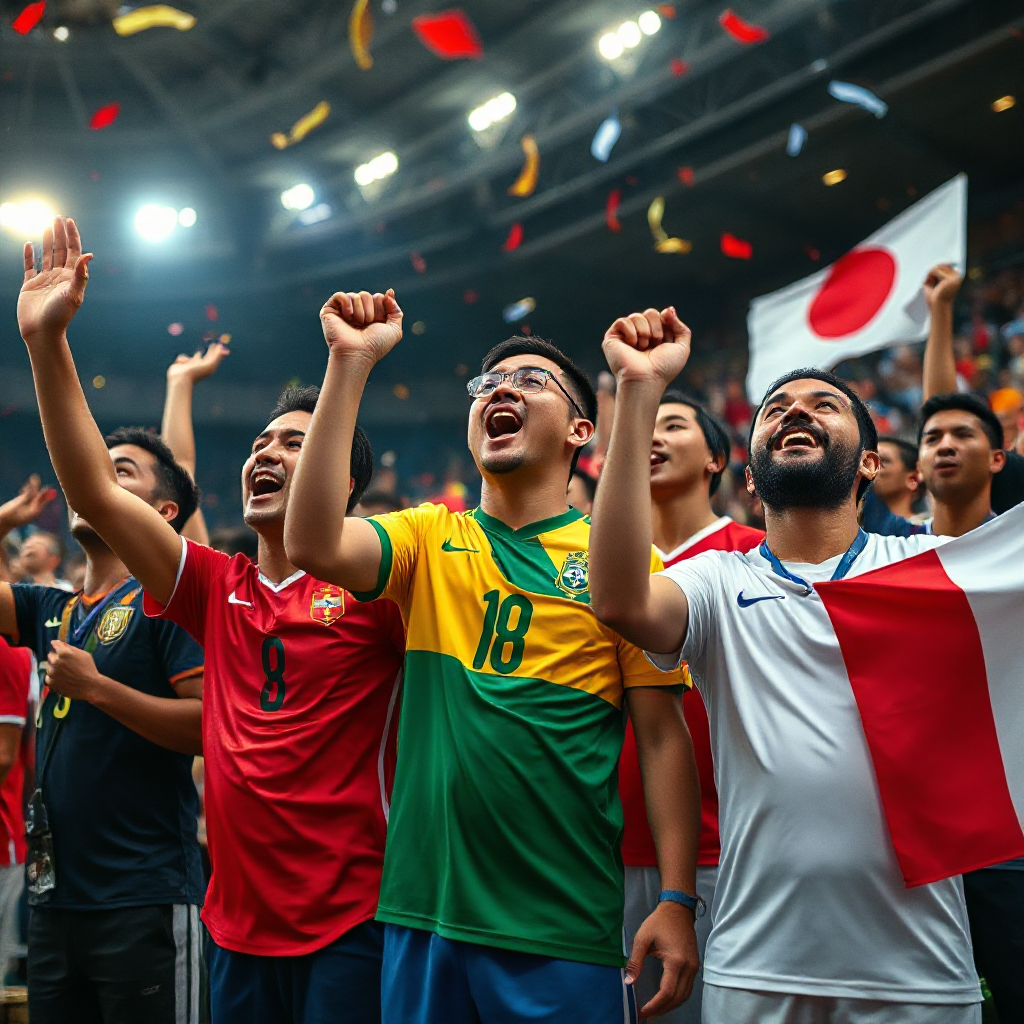
 Hình minh hoạ: https://wmanclub.co/
Tactical Breakdown and Key Moments
Strategic setup dictated much of the contest. Monaco operated with a flexible shape that rotated between a 4-3-3 and a 4-2-3-1 depending on possession territory. When controlling the ball, wingers dropped slightly to create numerical superiority in midfield, allowing the attacking midfielder space to drift into pockets behind the opposition defense. Strasbourg countered with a disciplined 5-4-1 block that prioritized compactness over expansion. Their wing-backs stayed narrow during defensive phases, effectively shutting down wide overloads.
The turning point emerged from a set-piece routine rather than open-play creativity. Recognizing Strasbourg’s vulnerability during dead-ball situations, Monaco instructed their delivery specialist to target the near post with a driven cross. The subsequent touch-and-release maneuver caught the visitor’s back line offside, leaving one attacker unmarked in the penalty area. Clinical finishing converted the opportunity, shifting momentum decisively toward the hosts. Subsequent attacks followed similar patterns: structured buildup, rapid penetration, and careful recovery runs.
Conversely, Strasbourg’s equalizer stemmed from sustained wide pressure. Overloading the right flank forced a defensive turnover, and a quick recycle of possession led to a low-driven shot that slipped past the goalkeeper. The goal demonstrated how patient territorial gain can breach rigid defensive walls. After conceding, Strasbourg abandoned strict mark-to-man assignments and adopted a zonal pressing system, though communication delays occasionally left shooting lanes open.
Managerial adjustments remained reactive rather than proactive until the seventieth minute. Both coaches opted to preserve fitness levels by introducing fresh legs for pressing intensity rather than tactical overhaul. The visual evidence suggests that fatigue began influencing decision-making in the final third. Pass completion dipped marginally, while counter-attacking speed softened as centers grew tired. Coaches typically address this by lowering the defensive line and reducing forward sprint frequency, accepting possession retention over vertical ambition.

League Implications and Historical Context
This fixture carries weight beyond three points. Historically, encounters between Monaco and Strasbourg rarely produce blowouts, reflecting a pattern of cautious risk management from both institutions. Recent seasons have highlighted divergent priorities: Monaco consistently targets top-half consolidation and Champions League qualification pathways, while Strasbourg operates within a rebuilding framework that emphasizes youth integration and squad cost efficiency. Matching those objectives against each other produces tightly contested narratives rather than dominant displays.
From a standings perspective, the two-goal victory strengthens Monaco’s cushion above mid-table competitors while exposing Strasbourg’s recurring difficulty in converting dominance into protection from relegation zones. Visitors have shown flashes of resilience away from home, yet inconsistency remains their primary vulnerability. A single-point swing or a late defensive error often determines whether they secure survival or endure another campaign of constant monitoring.
Broader league dynamics further amplify the result’s significance. Competitors eyeing European spots are aware that dropping points in seemingly manageable fixtures frequently derails seasonal ambitions. Simultaneously, teams battling near the bottom recognize that every away point functions as insurance against financial and sporting instability. Broadcast schedules reflect this awareness, with analysts repeatedly emphasizing how narrow margins accumulate into major positional shifts over the remaining matchdays.
Injury timelines and suspension carryovers will influence how both organizations interpret this outcome. Monaco tends to rotate heavily after midweek European commitments, meaning fresh personnel often feature in domestic contests. Strasbourg relies on continuity due to budget constraints, making consistency valuable but also limiting tactical flexibility. These structural differences explain why identical results can produce contrasting long-term trajectories for each club.

Media Responses and Analyst Perspectives
Press conferences immediately following the match emphasized caution amid celebration and reflection. Club officials acknowledged the importance of securing three points while stressing that seasonal targets require sustained performance rather than isolated victories. Media representatives noted that player availability charts remain fluid, with medical staff monitoring minor knocks ahead of international windows and upcoming congested fixtures.
Third-party analysts approached the footage with varying emphasis. Some focused on tactical cohesion, praising the synchronized pressing triggers and spatial awareness during transitional moments. Others highlighted defensive vulnerabilities, particularly regarding aerial duels and secondary ball recovery. These perspectives differ because broadcast editing prioritizes distinct viewing angles, and statistical models weight metrics differently. Readers should expect published articles to reflect editorial bias rather than absolute truth.
Fan communities reacted proportionally to expectations. Home supporters celebrated the result as validation of early-season investments, while traveling fans questioned selection choices and substitute impacts. Social media threads frequently conflate match performance with transfer market speculation, which requires careful separation. Player valuation shifts rarely occur based on a single ninety-minute segment unless extraordinary circumstances emerge.
For readers seeking comprehensive match archives, detailed breakdowns, and verified statistical compendiums, further reference: https://wmanclub.co/. Editorial teams utilize such platforms to aggregate multi-outlet coverage, compare tracking data, and identify recurring narrative threads before constructing final summaries.

Forward Fixtures and Strategic Adjustments
The immediate calendar presents limited recovery time before the next competitive obligation. Medical staff will conduct post-match screening protocols, categorizing athletes into green, amber, or red availability tiers. Green-list players resume normal training, amber-list participants undergo modified sessions focusing on mobility and light contact, and red-list individuals receive individualized rehabilitation plans. Coaches factor these classifications into starting XI predictions, favoring endurance over explosiveness when congestion approaches.
Tactically, both managers will likely retain core structures while refining transitional safeguards. Monaco may increase lateral ball circulation to expose compact blocks, whereas Strasbourg might prioritize vertical risk-taking to generate clearer scoring opportunities. Set-piece routines will undoubtedly evolve, with coaching staff reviewing video packages to identify recurring defensive misalignments. Opponents typically study these sequences extensively, so innovation becomes necessary rather than optional.
Administrative considerations also warrant attention. Transfer deadlines, loan negotiations, and registration cutoffs influence squad composition ahead of winter windows. Clubs operating within salary cap regulations must balance immediate performance needs with long-term financial sustainability. Those exceeding approved thresholds face progressive sanctions, prompting careful roster pruning before registration periods close.
Broadcast logistics dictate scheduling adjustments as well. Television partners request optimal kickoff times for audience engagement, sometimes compressing rest periods between fixtures. Travel distances, altitude changes, and pitch conditions compound physical strain, requiring load management strategies that prioritize longevity over short-term peak output.
| Category | Monaco Outlook | Strasbourg Outlook |
|---|---|---|
| Short-Term Priority | Maintain top-half stability | Secure away points |
| Squad Rotation Risk | Moderate due to Europe | Low due to fixed core |
| Tactical Adjustment Focus | Wide overloads & recovery runs | Direct transitions & aerial duels |
| External Pressure Point | European scheduling congestion | Relegation zone proximity |
Frequently Asked Questions
- When will official match statistics be published? League governing bodies typically release verified data within forty-eight hours, pending video referral reviews and technical committee approvals.
- Are player valuations affected immediately after matchday performances? Market adjustments usually occur weekly or monthly rather than instantaneously, unless exceptional incidents trigger clause activations.
- How do referees determine disciplinary actions post-match? Independent review panels analyze broadcast footage alongside assistant referee reports before issuing suspensions or fines.
- Can fans access real-time tactical diagrams during broadcasts? Most networks overlay graphic trackers, though underlying data originates from licensed tracking providers whose methodologies vary.
Action Checklist for Supporters
- Verify official match reports through league portals before circulating unconfirmed statistics.
- Monitor medical updates regarding player availability to adjust fantasy selections or betting parameters responsibly.
- Track fixture congestion calendars to anticipate rotation-heavy lineups in upcoming windows.
- Distinguish between verified club statements and third-party speculation when evaluating transfer implications.
- Set personal entertainment budgets if engaging with prediction markets, recognizing that outcomes remain inherently unpredictable.
- Review tactical analyses from multiple broadcasters to identify consensus observations versus channel-specific narratives.
- Update personal tracking spreadsheets with ratified standings once federations publish official tables.