Real Madrid Legends Return To Club In Ambassadorial And Coaching Capacities: A Practical Review
Football clubs regularly face a quiet but persistent operational problem: tactical DNA does not automatically transfer across generations. Marketing departments hire retired icons to restore prestige, but many legendary placements quickly devolve into ceremonial appearances rather than functional assets. Supporters, scouts, and even current coaching staff watch these dual-purpose appointments with skepticism. The core question remains straightforward—are these roles building actual playing infrastructure, or are they expensive brand exercises disguised as development programs? The answer depends entirely on how institutions design expectations, allocate working hours, and measure tangible outputs. When organizations successfully merge ambassadorial visibility with structured coaching responsibilities, they create a rare mentoring pipeline. When they treat the position as a photo opportunity, the arrangement fractures under daily training demands.
What Makes These Hybrid Roles Actually Work
The preliminary observation is clear. Programs succeed when clubs treat former professionals as developmental bridges rather than decorative titles. Players who arrive with documented coaching qualifications, consistent communication habits, and willingness to operate within modern sports science frameworks consistently deliver measurable impact. Those selected primarily for shirt revenue or social media engagement frequently struggle to integrate into routine preparation cycles. The distinction matters because contemporary football requires both cultural continuity and tactical precision. Institutions that attach these positions to concrete objectives—academy integration, senior squad refinement, or cross-market scouting networks—observe sustainable returns. The opposite approach typically generates conflicting reporting lines and stagnant progress. Understanding which athletes thrive in this space requires separating promotional value from genuine technical contribution.
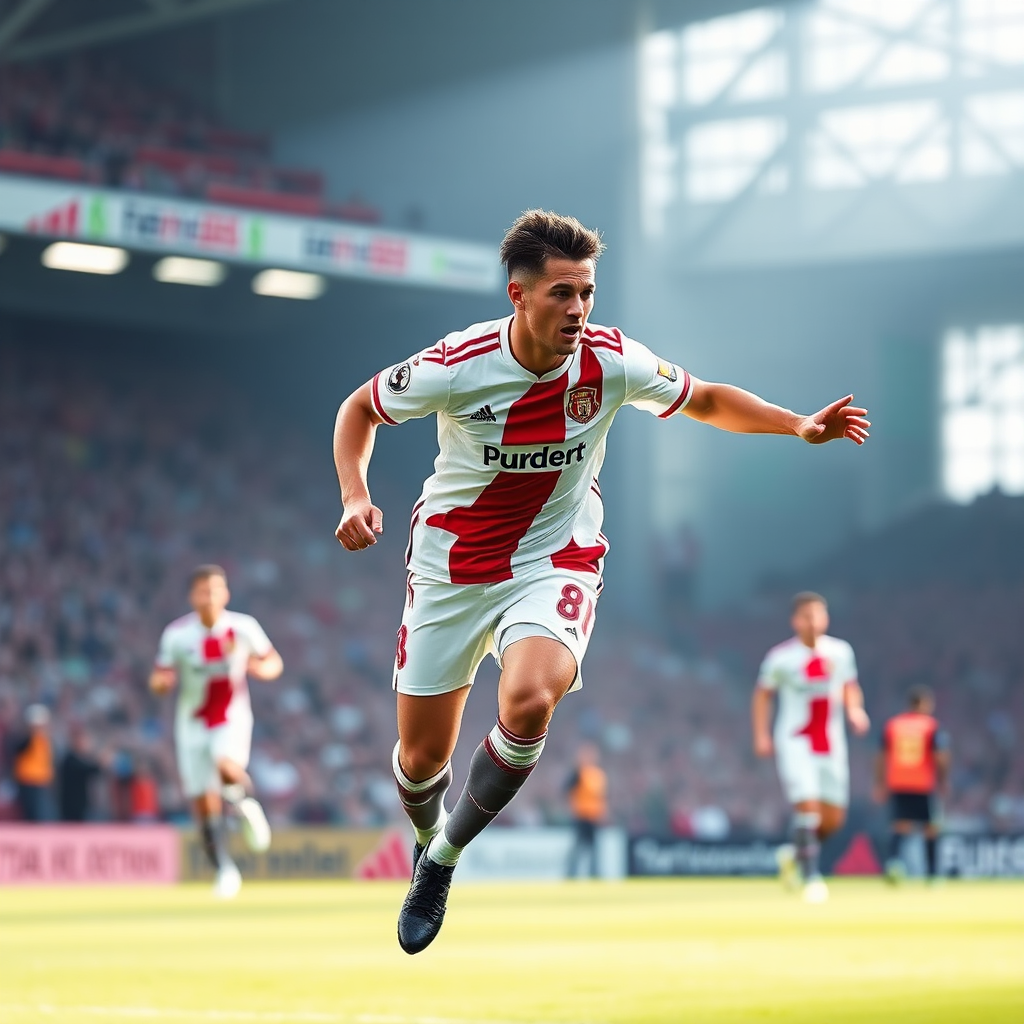 Hình minh hoạ: https://mm886.site/
How We Measure Effectiveness Across Dual Roles
Evaluating these positions demands a structured framework. Clubs and observers alike rely on specific criteria to determine whether a legend brings operational weight or merely fills a promotional slot. The following breakdown outlines the primary measurement pillars used to assess long-term viability.
| Criterion | Weight | Why It Matters |
|---|---|---|
| Coaching & Sports Science Credentials | High | Without formal qualifications, mentoring becomes anecdotal rather than systematic. |
| Communication & Youth Adaptability | Medium | Former stars must translate elite experience into digestible guidance for developing players. |
| Operational Autonomy vs Club Structure | Medium | Clear boundaries prevent overlap with first-team staff while preserving advisory influence. |
| Public Engagement Integration | Low | Brand activities support funding and fan interaction but do not replace technical delivery. |

Breaking Down the Core Evaluation Factors
Credentials form the foundation of any coaching transition. Modern squads expect mentorship grounded in recognized methodology, injury prevention protocols, and recovery scheduling. Legends who pursue UEFA or FIFA certification before assuming advisory duties demonstrate commitment to institutional standards. Those relying solely on playing pedigree often struggle to communicate periodization concepts or match-analysis frameworks to younger professionals. The gap between intuitive understanding and teachable methodology is substantial.
Communication and adaptability dictate daily usability. Academy graduates respond differently to veterans who break down decisions into actionable steps versus those who assume prior familiarity with complex systems. Effective ambassadors adjust their language, respect current periodization blocks, and avoid overriding established session plans. Observers consistently note that players who spent years as team captains or midfield generals excel because they already practiced tactical translation during active careers.
Structural clarity prevents workflow disruption. Successful implementations assign dedicated hours for academy supervision, first-team shadow sessions, and international recruitment meetings. When clubs embed these roles within existing sporting director frameworks rather than marketing departments, reporting chains remain clean. Confusion emerges when commercial obligations bleed into preparation windows, creating scheduling conflicts that frustrate both staff and athletes.
Public engagement serves as a supplementary function. Heritage tours, charity exhibitions, and community clinics generate positive press and strengthen regional ties. These activities fund facility upgrades and sponsor relationships, but they cannot substitute for on-pitch instruction. Institutions that separate brand calendars from technical schedules protect the integrity of both functions.

Where This Approach Delivers Value and Where It Stumbles
The strengths of hybrid legend programs center on institutional memory and accelerated trust. Veterans carry unmatched credibility when introducing tactical nuances that newer coaches have not yet lived through. They accelerate academy graduates by normalizing elite expectations, reducing intimidation, and providing relatable career pathways. International recruitment benefits noticeably when former stars open doors through shared language, cultural familiarity, and proven adaptation to high-pressure environments.
Limitations emerge when responsibility matrices remain vague. Current coaching staff occasionally perceive advisory figures as parallel hierarchies, which fragments decision-making authority. Legacy professionals sometimes lack patience for repetitive fundamental drills, expecting rapid tactical assimilation that contradicts youth development timelines. Commercial pressures can unintentionally dominate agendas, pulling athletes away from preparation areas and into promotional commitments. Measuring return on investment remains challenging because improvements manifest slowly, unlike immediate transfers or managerial hires.
Organizations mitigate these weaknesses by establishing written scope documents, rotating commercial appearances, and tying compensation to technical milestones rather than attendance counts. Transparency regarding reporting lines eliminates duplicate instruction and preserves locker room cohesion.

Who Should Pay Attention to These Programs
Academy directors seeking structural continuity benefit most when legacy advisors operate outside first-team selection politics. They gain access to players who understand historical playing philosophies while remaining open to modern athletic demands. Sporting directors managing budget constraints appreciate the cost-effective nature of mentorship pipelines compared to purchasing external specialists. Marketing executives find authentic storytelling opportunities that extend beyond stadium architecture or jersey launches, though they must coordinate closely with technical departments to prevent agenda collision.
Emerging professionals transitioning from playing careers to coaching or analysis roles observe these programs as practical templates. The hybrid model demonstrates how to balance public presence with skill development, offering a viable exit strategy for athletes without immediate coaching licenses. Pure sponsorship managers rarely extract meaningful value unless their campaigns directly fund technical facilities or scholarship programs.
Global scouting networks utilize heritage figures to evaluate prospects in regions where foreign clubs struggle to establish trust. Shared background and language accelerate relationship-building, allowing advisors to gather nuanced information that standard video analysis cannot capture.
Essential Steps Before Aligning With Similar Initiatives
Before committing resources to a dual-role appointment, institutions should verify several operational prerequisites. The following sequence ensures alignment between promotional goals and technical outcomes.
- Confirm valid coaching or sports science certifications before drafting contracts.
- Establish written duty boundaries that specify weekly availability for academy, first team, and commercial tasks.
- Assign direct reporting lines to the sporting director rather than branding or hospitality divisions.
- Create quarterly review checkpoints focused on player progression metrics, not appearance counts.
- Integrate feedback mechanisms that allow current coaches to flag scheduling overlaps or instructional conflicts.
- Separate commercial obligations from preparation periods to protect athlete recovery cycles.
- Document success indicators tied to technical milestones, such as promotion rates, tactical compliance scores, or scout recommendations.
Following these steps reduces ambiguity and protects both staff morale and developmental timelines.
Common Questions About Legend-Mentor Programs
How do clubs measure success when these roles span multiple departments? Organizations track progression through quantifiable indicators like academy graduation rates, first-team integration frequency, tactical workshop attendance, and scout feedback accuracy. Qualitative assessments complement numerical data.
Can former players without coaching licenses still contribute effectively? Limited contributions are possible in outreach, culture building, and recruitment support. However, technical mentoring requires certified knowledge to avoid spreading unstructured methods that contradict modern sports science.
What happens when current staff disagree with advisory input? Established protocols require technical directors to arbitrate conflicts. Written scope agreements and regular coordination meetings minimize friction by clarifying jurisdiction and decision authority.
How long do these arrangements typically sustain performance? Most programs show measurable impact within twelve to eighteen months. Extended commitments require periodic contract renegotiation to address evolving tactical trends and commercial priorities.
You can find more detailed updates on program structures and staffing changes at https://mm886.site/. The latest operational adjustments are routinely published there.
For readers tracking official announcements and verification channels, accessing the link vào trang chủ mm88.com chính thức provides centralized documentation regarding contractual terms, role definitions, and compliance requirements.
Final Considerations Before Engaging With These Initiatives
Several operational risks require careful attention before committing to hybrid ambassadorial and coaching appointments. Role creep remains the most frequent complication, where promotional obligations gradually eclipse technical responsibilities until the position loses its developmental purpose. Credential gaps introduce methodological inconsistency, forcing younger players to reconcile conflicting advice from different staff members. Commercial overload disrupts preparation windows, especially when travel schedules collide with recovery protocols or match cycles. Misaligned key performance indicators generate false positives, rewarding visibility metrics while ignoring actual player progression. Institutions that enforce strict boundary enforcement, mandate continuous education, prioritize technical integration over brand exposure, and maintain transparent reporting structures navigate these pitfalls successfully. Clubs willing to accept ceremonial appointments over substantive development will continue experiencing fragmented results and frustrated staff.