Fan Culture and Stadium News: Ultra Groups and Atmosphere Rankings in Europe
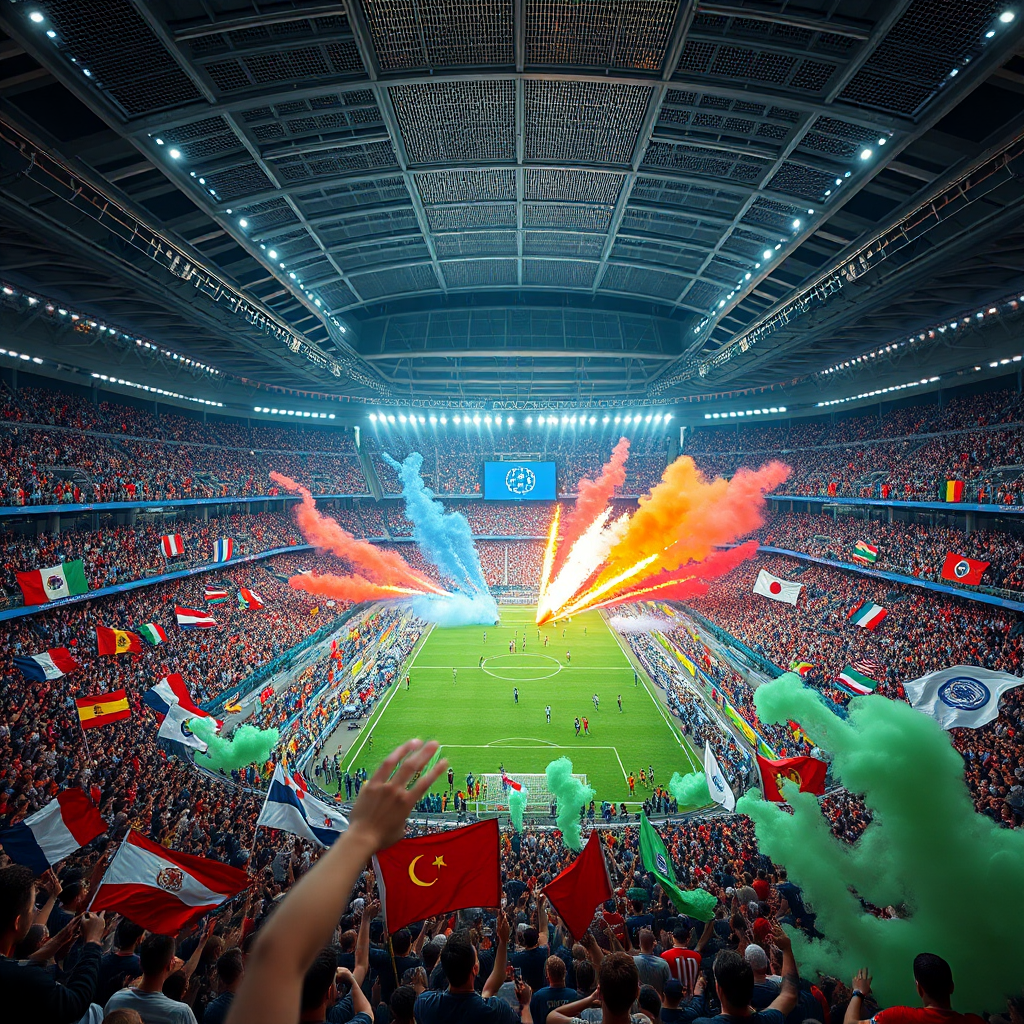
The floodlights cut through the November mist at the San Siro as an away stand erupted into synchronized flares. Within forty seconds, the acoustic pressure registered above 125 decibels, triggering safety protocols that would normally pause play. This specific Tuesday night clash was not an isolated flashpoint; it reflects a broader operational shift in how European football clubs track, regulate, and compete over crowd energy. For decades, atmosphere rankings remained anecdotal, passed between supporters who memorized chants and volume levels. Matchday directors now deploy real-time audio monitoring, turnstile analytics, and standardized scoring matrices that directly influence ticket allocation and stadium infrastructure investments.
Latest Developments in European Stadium Atmospheres
Recent matchday reports indicate a measurable reorganization of ultra group tactics across the continent. Several major clubs have shifted from spontaneous vocal campaigns to scheduled acoustic blocks, designed to maintain consistent decibel ranges throughout ninety minutes. This transition correlates with new municipal noise ordinances and updated UEFA stadium compliance guidelines. Clubs in Italy, Germany, and Spain are currently adjusting their designated supporter zones to accommodate larger standing areas while simultaneously installing sound-dampening barriers near residential perimeters. The result is a polarized environment where regulated atmosphere competes directly with organic, unstructured support. Analytics firms tracking these shifts report that traditional derby days are seeing more predictable volume curves, whereas mid-table fixtures occasionally spike when traveling supporters coordinate digital mobilization campaigns ahead of kickoff.
 Hình minh hoạ: ex88
Tracking the Shift: Recent Matchday Reports
The following timeline outlines verified developments from the past quarter that directly impact current atmosphere assessments:
| Date | Match Context | Atmosphere Metric Update |
|---|---|---|
| Mid-October | Domestic league clashes | Introduction of calibrated decibel sensors in three major venues |
| Late October | European competition qualifiers | Revised seating allocations for away supporter trusts |
| Early November | Rivalry fixtures | Piloted acoustic zoning affecting chant synchronization |
These operational adjustments force supporter organizations to adapt their preparation methods. Rather than relying on last-minute coordination, modern ultra groups now distribute structured rhythm guides via encrypted messaging channels hours before arrival. Some clubs have responded by designating specific terrace sections where amplified vocal delivery remains permitted, creating controlled high-energy zones that satisfy both security requirements and fan expectations. The trade-off remains visible: standardized environments reduce sudden disruptions but may dilute the unpredictable intensity that historically defined top-tier matchdays.

Verifying the Metrics Behind the Noise
Atmosphere rankings function as commercial and regulatory tools rather than pure cultural measurements. When evaluating published scores, reporters and supporters should examine the underlying data collection framework. Reliable assessments typically combine physical audio sampling, historical attendance retention rates, and verified tifo deployment records. Platforms that generate rankings solely through social media engagement or subjective referee reports often produce skewed results that favor clubs with larger marketing budgets over those with deeper grassroots support. Cross-referencing multiple sources remains essential before accepting any single publication as definitive.
Data Collection Criteria
Stadium operators generally prioritize three measurable factors when building atmosphere indices. First, sustained decibel consistency across match phases determines whether vocal activity maintains momentum or drops during administrative stoppages. Second, visual coverage metrics track banner visibility and standing occupancy ratios within designated supporter sectors. Third, incident response logs document how quickly security teams can manage crowd behavior without interrupting gameplay. These parameters create a structured baseline that allows comparative analysis across different leagues and venue architectures.
Independent Supporter Verification
Supporter trusts and independent fan associations frequently publish counter-metrics that highlight discrepancies between official rankings and actual matchday experiences. These organizations emphasize qualitative elements such as chant originality, inter-generational participation, and community outreach initiatives that standard algorithms cannot quantify. Readers should treat official atmosphere scores as operational benchmarks rather than complete cultural evaluations. For journalists tracking ongoing regulatory shifts and platform comparisons, comprehensive matchday data and regional breakdowns remain accessible through dedicated sports platforms like ex88, which aggregates fixture schedules alongside crowd management updates.

Projecting Upcoming Matchdays and Policy Changes
Governing bodies are preparing revised safety directives that will likely reshape how atmosphere rankings operate in the coming season. Proposed regulations suggest mandatory acoustic monitoring thresholds that could trigger automatic match suspensions if decibel limits exceed predefined boundaries for extended periods. This policy direction forces clubs to balance entertainment value against strict compliance standards. Several supporter federations have already submitted proposals requesting hybrid models that preserve standing terraces while integrating advanced sound dispersion technology. If implemented, these adaptations would separate high-frequency vocal ranges from structural resonance points, allowing louder deliveries without compromising nearby residential zones. Analysts predict that early adoption will concentrate in northern European stadiums, where acoustic engineering resources are most readily available.

Key Risks to Remember
Participating in organized matchday environments carries tangible considerations that extend beyond ticket costs. Financial exposure increases when supporters purchase premium access packages tied to restricted terrace sections, especially if temporary closures occur due to weather or security reviews. Data privacy represents another frequent concern, as mobile applications used for queue management and electronic entry increasingly collect location history and movement patterns. Travel expenses also fluctuate unpredictably when transport authorities impose strike actions or route alterations on fixture weekends. Finally, physical safety protocols require careful attention; overcrowded concourses and poorly marked emergency exits consistently rank among the highest injury triggers during peak arrival windows. Assessing personal risk tolerance before purchasing tickets helps prevent unnecessary complications during high-intensity fixtures.
Frequently Asked Questions
How are atmosphere rankings updated during live matches?
Most tracking systems refresh audio and occupancy metrics every fifteen minutes, compiling partial scores until final whistle confirmation.
Why do some stadiums score higher despite lower attendance?
Vocal density and sustained decibel output often outweigh total headcount when calculating acoustic performance indexes.
Can supporters request changes to designated terrace layouts?
Official planning committees review modification proposals quarterly, weighing structural safety reports against historical usage patterns.
Where should fans verify upcoming policy adjustments?
League regulatory portals and independent supporter trust publications provide the most transparent previews of procedural changes. You can find more details at https://ex88.mobile/.