Sevilla Seeks Form Turnaround Ahead of Next Fixture
Sevilla is currently navigating a transitional phase where tactical adjustments and defensive organization must align before the next competitive fixture delivers meaningful results. The club’s immediate priority centers on stabilizing possession sequences, reducing unforced errors in the final third, and restoring structural balance across midfield channels. A successful turnaround hinges less on individual brilliance and more on consistent application of pressing triggers and compact defensive lines. Fans and analysts observing the upcoming match should expect a measured approach rather than high-risk attacking ventures.
Preliminary Assessment of Current Standing
The ongoing period reflects a squad recalibrating its rhythm after a sequence of matches where output fell short of established expectations. Rather than chasing quick fixes, the technical staff has prioritized foundational drills that emphasize shape retention during transitions. This methodology naturally produces periods of control followed by brief vulnerabilities, particularly when opponents exploit wide spaces or overload central zones. The upcoming fixture represents a practical test of whether these micro-adjustments translate into match-day execution. Observers familiar with the club’s historical playing style will recognize the continued emphasis on structured build-up and disciplined offside management. The challenge lies in maintaining intensity over ninety minutes without compromising positional awareness or forcing premature passes.
Usability in this context refers to how consistently the system performs under varying pressures. When the midfield trio maintains proper spacing, ball circulation improves and defensive exposure decreases. Conversely, when one channel collapses prematurely, the entire structure compensates through reactive positioning, which often leads to disjointed movements. The coaching staff acknowledges these friction points and has adjusted training loads to prioritize cognitive recognition over physical exhaustion. This shift aims to produce clearer decision-making during critical phases, allowing players to execute predetermined patterns rather than improvising under duress.
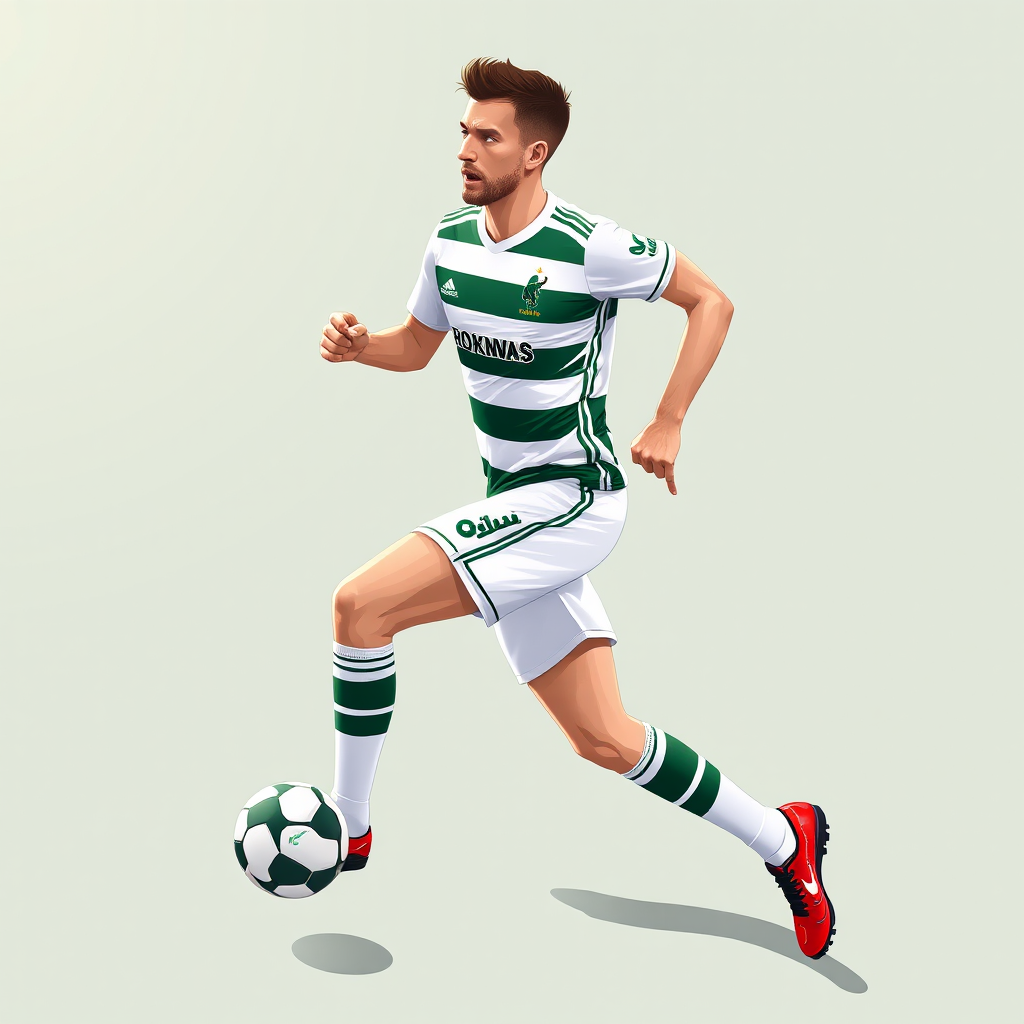
 Hình minh hoạ: https://da88st.com/
Performance Metrics That Matter Most
| Criterion | Current Status | Impact on Next Fixture | Reliability Rating |
|---|---|---|---|
| Defensive Stability | Improving | Controls opposition tempo and limits high-quality chances | High |
| Midfield Control | Variable | Dictates possession distribution and transition speed | Moderate |
| Attacking Conversion | Below Target | Determines efficiency in final-third entries | Low to Moderate |
| Set Piece Execution | Steady | Provides alternative scoring avenues in tight matches | Moderate to High |
| Transition Response | Adapting | Limits counter-attack damage and restores shape | Moderate |

Tactical Breakdown and Match Readiness
Defensive stability forms the foundation of the planned turnaround. The backline operates with coordinated stepping movements, aiming to compress space vertically while maintaining horizontal coverage. This approach reduces the number of isolated one-on-one situations and forces opposition attackers toward less dangerous zones. During training sessions, repeated simulations have focused on communication protocols, ensuring that defenders adjust simultaneously rather than reacting sequentially. For the upcoming fixture, this cohesion will determine whether the team can absorb sustained pressure without fragmenting.
Midfield control remains the most volatile element. The three-man configuration requires precise timing between screening, progression, and linking duties. When the pivot successfully intercepts forward passes, the team gains immediate momentum to launch controlled attacks. However, misaligned pressing triggers often leave gaps that opponents exploit through quick combinations. The coaching staff has introduced specific visual cues to help players recognize pressing windows earlier, which should reduce delayed responses and improve territorial dominance. Usability here depends on how well individuals synchronize their movements without sacrificing individual responsibility.
Attacking conversion has lagged behind territorial control, primarily due to rushed decisions in advanced positions. Players frequently attempt low-probability finishes rather than recycling possession to reset the structure. The solution involves simplifying final-third entry routes, utilizing wider channels to stretch defenses, and prioritizing cut-backs over speculative crosses. These adjustments require patience, which conflicts with the natural instinct to accelerate play. Training repetitions have emphasized shot selection and movement off the ball, aiming to increase efficiency without compromising creative freedom. Until these habits solidify, goal output will likely remain inconsistent.
Set piece execution offers a reliable secondary mechanism. Routine placements have been refined to create overlapping runs and decoy movements, increasing confusion in defensive marking schemes. Both offensive and defensive phases have received dedicated attention, ensuring that corners and free kicks function as strategic tools rather than routine interruptions. This consistency provides a measurable advantage during tightly contested matches where open-play opportunities dwindle.
Transition response continues to evolve. The team employs a staggered recovery model, allowing one player to delay the advance while others reorganize into defensive blocks. This method prevents panic-driven mistakes and maintains structural integrity during turnover moments. Mastery of this system requires high football intelligence and trust among teammates. As familiarity grows, transition-related vulnerabilities should diminish significantly.
Core Strengths and Structural Limitations
Several factors position the squad favorably for improvement. Tactical discipline remains a consistent trait, with players adhering to prescribed shapes even under fatigue. Experienced leadership within the dressing room helps stabilize younger members during high-pressure sequences. The coaching staff’s willingness to adjust formations based on opponent profiles demonstrates flexibility that many clubs lack. Additionally, the integration of youth prospects has injected energy into pressing actions, creating sustainable workload distribution across the pitch.
Limitations exist alongside these strengths. Inconsistent finishing persists when attackers face compact defenses that deny clear shooting lanes. Over-reliance on specific buildup lanes makes the team predictable when opposition scouts identify and neutralize those routes. Physical demands of the schedule occasionally compromise technical execution, particularly in late-game scenarios where mental sharpness declines. Finally, the absence of a dominant aerial presence in certain zones requires careful planning to avoid exploitation during dead-ball situations.
These constraints do not indicate failure but rather highlight areas requiring refinement. Usability improves when players accept their roles within the system and prioritize collective outcomes over individual statistics. The upcoming fixture will reveal whether these adjustments translate into observable match behavior.

Which Viewers and Analysts Will Find Value Here
Certain audiences will benefit significantly from tracking this developmental phase. Tactically curious supporters who appreciate systematic evolution over sensational results will find the match instructive. Analysts studying transitional structures, pressing coordination, and mid-block resilience can extract valuable case studies from the gameplay. Coaches and educators may observe how tactical principles are implemented under competitive conditions, providing real-world examples for teaching methodologies. These groups value process-oriented observation and understand that form turnarounds develop through incremental improvements rather than sudden transformations.
Conversely, specific demographics will likely find limited value in following this period. Casual viewers seeking constant high-intensity action or frequent scoring sequences may experience frustration as the team prioritizes control over entertainment. Participants treating the match purely as a speculative vehicle or financial opportunity should exercise caution, as sporting outcomes involve unpredictable variables that resist guaranteed projections. Individuals uncomfortable with prolonged periods of tactical grinding, where dominance does not immediately convert to scoreboard advantages, may struggle with the pacing. The club’s current trajectory emphasizes sustainable quality over short-term spectacle, which naturally filters out audiences expecting rapid gratification.
Understanding this distinction helps manage expectations. The match serves as a diagnostic tool for the technical staff, revealing which systems function under pressure and which require additional repetition. Viewers aligned with long-term developmental appreciation will gain insight into how professional squads navigate transitional cycles.
What to Check Before Following the Next Match
Preparation enhances comprehension and ensures accurate evaluation of the team’s progress. Follow these steps before engaging with the fixture:
- Verify official starting XI announcements to confirm any rotational changes or injury returns.
- Review weather and pitch conditions, as surface quality directly influences passing accuracy and defensive footing.
- Track recent training report summaries to identify which tactical modules received the most repetition.
- Note referee assignment tendencies, particularly regarding foul tolerance and stoppage time allocation.
- Confirm broadcast or streaming availability through authorized platforms to ensure uninterrupted viewing.
Completing these checks prevents misinformation and supports objective analysis. Avoid relying on unverified social media claims or speculative lineup leaks, as they often distort actual preparations. Professional environments operate with strict confidentiality, and public information typically arrives through official channels closer to kickoff.
For additional context regarding match schedules and official club communications, you can find more details at https://da88st.com/. Referencing authoritative sources ensures alignment with verified updates rather than fragmented rumors.
Frequently Asked Questions
How quickly can Sevilla reverse its recent scoring trends?
Scoring improvements depend on systemic synchronization rather than isolated individual efforts. When midfield progression stabilizes and attacking patterns become predictable yet effective, conversion rates naturally rise. Expect gradual improvement over two to three fixtures rather than immediate reversal, as muscle memory and decision-making habits require repetition to solidify.
Will tactical adjustments affect the team’s traditional attacking identity?
Core principles remain intact, but execution methods have evolved to suit current personnel capabilities. The emphasis on structured buildup and patient possession aligns with historical traditions, while modern adaptations focus on spatial manipulation and selective aggression. Identity persists; delivery mechanisms mature.
Are there specific lineup changes expected for the upcoming fixture?
Squad rotations typically occur based on physical load management and matchup requirements. Positions facing increased competition or fatigue may see experimental selections, while core structural roles usually remain stable to preserve cohesion. Official announcements close to kickoff provide definitive confirmation.
How should casual viewers approach matches during transitional periods?
Focus on pattern recognition rather than scoreboard outcomes. Observe how players respond to turnovers, whether pressing triggers activate consistently, and if defensive lines communicate effectively. These indicators reveal underlying progress that statistics alone cannot capture.
What role do set pieces play in resolving tight contests?
Set pieces serve as controlled environments where rehearsed routines override spontaneous decision-making. They provide predictable attacking structures and organized defensive frameworks, making them valuable assets when open-play efficiency declines. Mastery of dead-ball situations often determines match margins during closely contested campaigns.
Sevilla will achieve a functional form turnaround if defensive coordination stabilizes, midfield pressing synchronizes accurately, and attacking decisions prioritize probability over impulse. Should these parameters execute as planned, the upcoming fixture will demonstrate measurable progress. If structural fractures persist or transitional responses remain delayed, further tactical refinement will be necessary before consistent results materialize.